Slab Leak Detection in Miami Beach: Find the Leak Without Breaking Your Floor
Unexpected high water bill or warm floor? We pinpoint hidden slab leaks with advanced detection—without unnecessary floor damage.
⭐⭐⭐⭐⭐ 4.9/5 (300+ Local Reviews) | Licensed & Insured | Same-Day Service
Suspect a Slab Leak in Miami Beach?
Don’t wait for water damage to spread. Our fast slab leak detection finds hidden leaks before they become costly repairs.
See Why 300+ Miami beach Homeowners Trust Us



I had a great experience with this plumber. They were very professional and knowledgeable. They quickly fixed my plumbing issue and I couldn’t be happier. Highly recommend!

I’m not really handy when it comes to plumbing tasks, so I always call this company whenever there’s a leaky pipe or clogged drain in my house. They always do a great job and their rates are very reasonable, so I never hesitate to hire them.
DPaul Plumbing in Miami Beach provides excellent plumbing services with a team of knowledgeable and professional plumbers. They are responsive, efficient, and dedicated to solving any plumbing issue quickly and effectively. Overall, I highly recommend DPaul Plumbing for anyone in need of a reliable plumber Miami Beach fl area.

Why Homeowners Choose Us
100% satisfaction guaranteed, zero surprise fees, and immediate local dispatch.
Our Plumbing Miami beach Services
Recent Plumbing Jobs
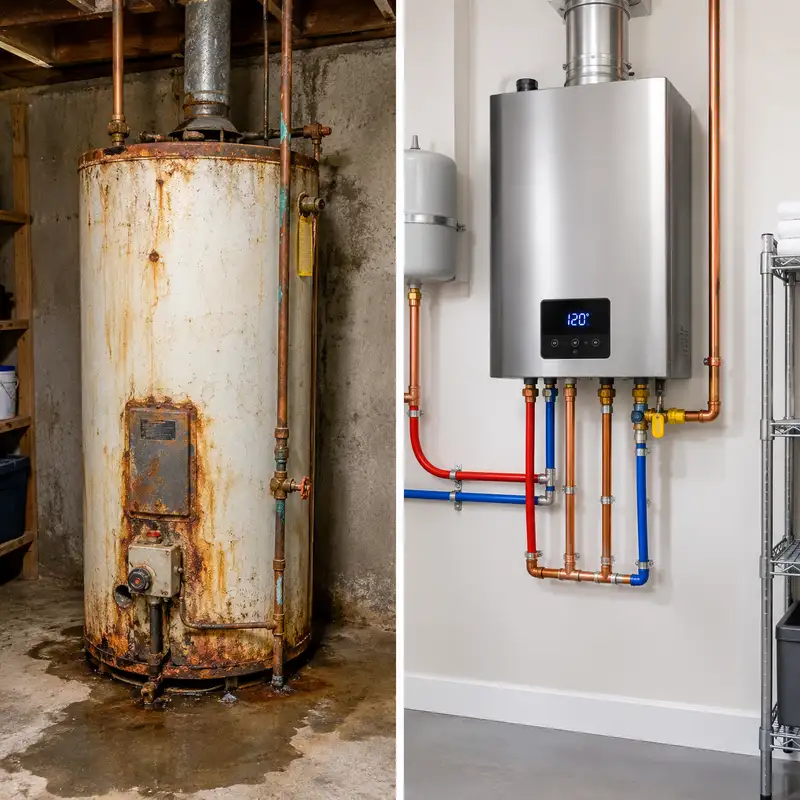
Water Heater Replacement
Miami Beach, FL
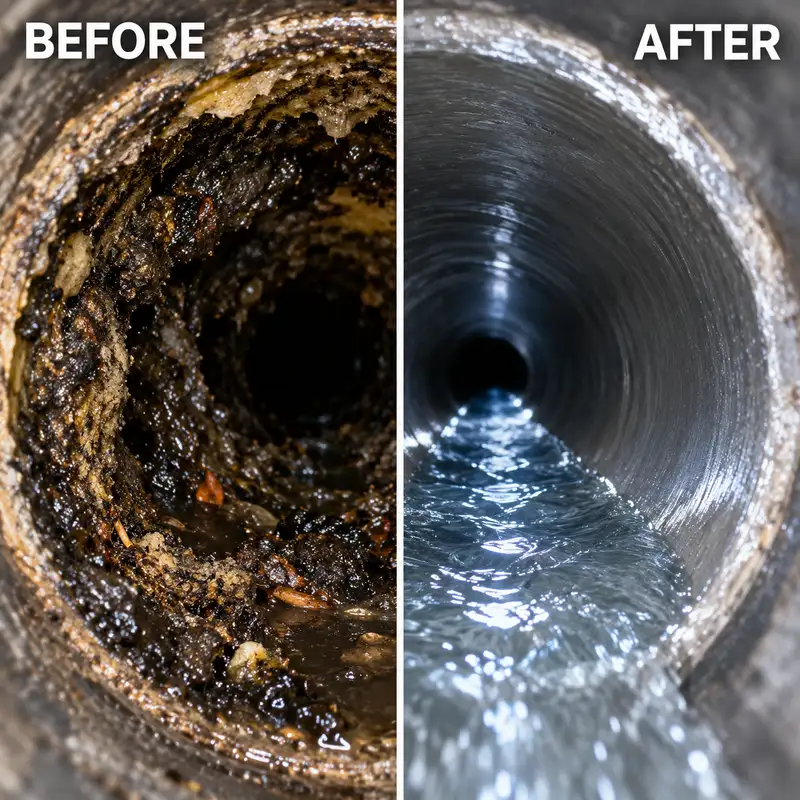
Drain Cleaning
Miami Beach, FL
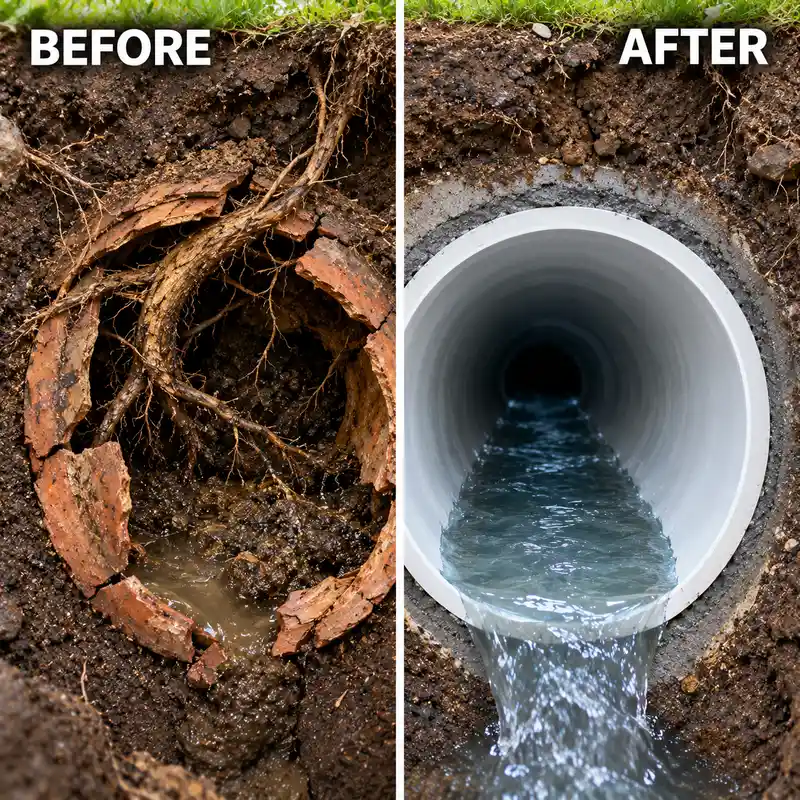
Sewer Line Repair
Miami Beach, FL
Leak Detection
Miami Beach, FL
Neighborhoods We Serve in Miami Beach, FL
We’re not a South Florida chain spread thin — we focus exclusively on Miami Beach and the barrier islands.
Also serving homes along Indian Creek
What Is a Slab Leak?
A slab leak is a leak in a water line that runs under or inside your home’s concrete foundation. In South Florida, most houses and ground-floor units are built “slab-on-grade,” which means the concrete floor sits right on the ground and the water lines run through or beneath it.
You can’t see these pipes, so you can’t see the leak. That’s why a slab leak can run for weeks before the damage shows up on the surface.
Signs You May Have a Slab Leak
- Your water bill went up and you haven’t changed how you use water
- A warm or hot spot on the floor. This often points to a leaking hot water line.
- You hear running water when every faucet and appliance is off
- Low water pressure in more than one fixture
- Damp carpet, lifting laminate, or cracked or loose tile with no clear cause
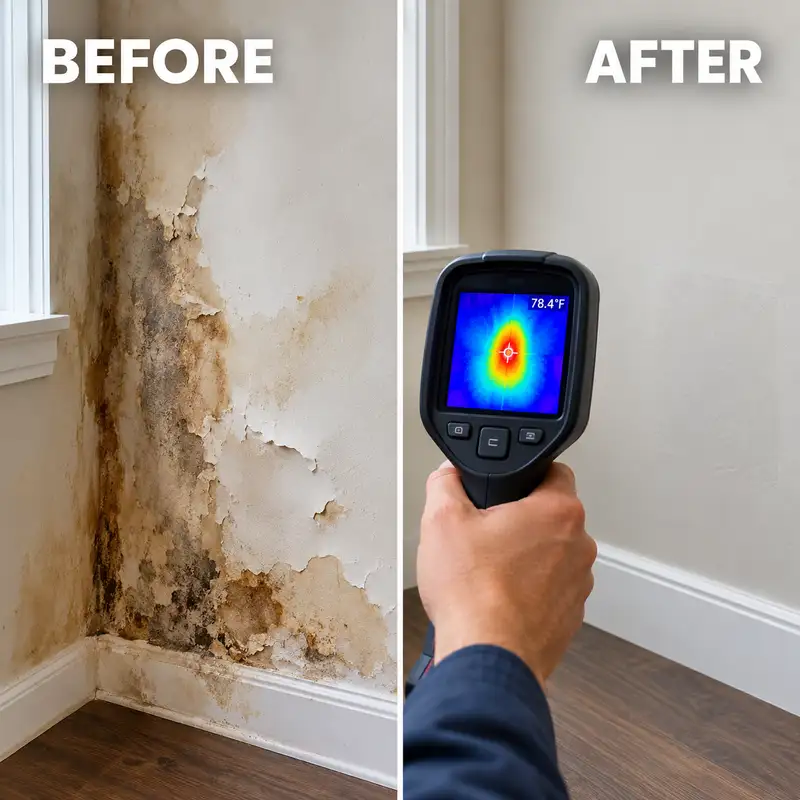
- A musty smell or mold near baseboards
- Your water meter keeps moving when everything is off
One sign could be something else. Two or three together usually mean it’s time to get it checked.
A Quick Test You Can Do at Home
Before you call, you can check whether water is moving through your system when it shouldn’t be.
- Turn off every faucet, shower, and appliance that uses water, inside and outside.
- Find your water meter and look at the small dial or triangle. It’s often called the low-flow indicator.
- If it’s still moving, water is going somewhere.
- Also check your toilets. A running toilet is the most common cause of a high bill and has nothing to do with the slab.
If the meter moves and the toilets are fine, a hidden leak is likely.
Why Slab Leaks Are a Real Risk in Miami Beach
Slab leaks happen everywhere, but the island has a few conditions that make them more likely and harder to spot.
The ground stays wet. Miami Beach has a high water table, and the ground under the island is porous limestone. When a pipe leaks, the water doesn’t always pool and push up through the floor. It can drain sideways into the rock. That’s why some leaks hide for so long.
Pipes wear from the outside and the inside. Copper lines under a slab sit in damp ground for decades. Our hard water adds mineral buildup on the inside. Over time, either one can wear a pinhole through the pipe wall.
Older buildings are common. Many South Beach duplexes and small Art Deco buildings near Flamingo Park, Sunset Harbour, and West Avenue were built on slabs with plumbing that is decades old. Normandy Isle and parts of North Beach have a lot of single-story homes on slabs too.
Standing water can fool you. After a heavy rain or a king tide, a damp patch near a slab edge may or may not be plumbing. That’s why we confirm a leak with testing and don’t judge by a wet spot.
How We Find a Slab Leak
No single tool finds every leak, so we use several and check one against another.
- We start with questions. When did the bill go up? Where is the warm spot? Which fixtures lose pressure? Your answers tell us where to look first.
- We confirm there’s a leak. A pressure test or meter test tells us whether a line is losing water.
- We figure out which line. Hot or cold? Which section of the house? We isolate lines so we’re not searching the whole floor.
- We trace the pipe. Line-tracing equipment follows the path of the pipe under the concrete, so we know what’s below your feet before we test.
- We listen. Acoustic equipment picks up the sound of water escaping a pressurized pipe, even through concrete.
- We add heat imaging. A thermal camera can show temperature changes in the slab, which helps most with leaking hot water lines.
- For stubborn leaks, we use tracer gas. A safe gas is sent into the line, and a sensor finds where it escapes.
- We mark the spot and show you. You see where the leak is and what we found, not just a number.
A typical home inspection usually takes a few hours. Larger or more complex layouts take longer.
What You Get After Detection
- The marked location of the leak, usually pinpointed to a small area
- A clear explanation of what the leak is and which line it’s on
- A written report with photos, which can help with an insurance claim
- Repair options with honest pros and cons, so you decide
What Happens After We Find It
Finding the leak is one step. Fixing it is the next. Depending on the pipe’s condition and where the leak sits, the options usually include a spot repair through the slab, rerouting the line above the slab, or replacing the pipe. We’ll explain each one and tell you which we’d choose in your home and why. If the pipes are old and failing in several places, we’ll tell you that too. For that situation, read about [repiping in Miami Beach →].
What Slab Leak Detection Costs
Detection on its own is a different price from repair. In South Florida, professional slab leak detection commonly runs about $200 to $650, depending on the methods used. The exact price depends on the size of the home and how many tests it takes. For a full breakdown of what plumbing work costs on the island, see our [Miami Beach plumbing cost guide →]. ecmservice
Will Insurance Cover a Slab Leak?
It depends on your policy. Some policies cover the cost of tearing out the slab to reach the leak and the water damage it causes, but they often don’t cover the pipe repair itself. Read your policy or call your agent before work starts. A written detection report with photos gives you something solid to hand your insurer.
Condos, Duplexes, and Ground-Floor Units
If you own a ground-floor condo or a townhome, the slab under you may be shared with neighbors or tied to building plumbing. Talk to your association before any work. Above the ground floor, a leak in a concrete floor can drip into the unit below. If you manage a building, our [condo and high-rise plumbing page →] covers how we handle shared lines and coordination.
Frequently Asked Questions

Need Fast, Reliable Slab Leak Service in Miami Beach?
Over 1,000+ local homeowners trust Miami Beach DPaul Plumbing for 24/7 emergency repairs and upfront, flat-rate pricing.